LIVE WEBINAR • ONLINE • HOSTED BY NIEL ASHER EDUCATION
The Diaphragm & Rib Cage
The Missing Link in Treating Neck, Shoulder & Low Back Pain
David Weintraub LMT is teaching this course as a live webinar through Niel Asher Education—two 90-minute sessions where you’ll learn why the neck, shoulder, and low back structures you keep releasing don’t stay released. You’ll see how breathing mechanics decide whether tissue relaxes or stays guarded, how to read the five common rib cage patterns, and how to treat an area most therapists were never trained to touch.
Registration and CE credit are handled through Niel Asher Education.
Two live 90-minute sessions with David Weintraub, LMT. Learn why the structures you keep trying to release are the ones attached to a rib cage that isn’t moving — and what to do about it.
Dates & Time
September 23 & 30, 2026,
7:00 pm EST
Location
Online
credits
5 CE/CPD hours
instructor
David Weintraub, LMT
THE CLINICAL WHY
The tight upper traps aren't the problem—they're the compensation.
Postural support and breathing are supposed to be two separate jobs. The ribs expand on the inhale and contract on the exhale while the deep postural system holds you up in gravity. When breathing is relaxed, it uses almost nothing—the diaphragm and the external intercostals—and the exhale is simply letting go.
That’s not what walks into your treatment room. When the body is misaligned in gravity, the diaphragm and intercostals get pulled into postural duty, and the breath has to come from somewhere else. Scalenes, serratus, abdominals take over. The breath drops out of the ribs and into the belly. That recruitment pattern reads as danger to the nervous system, which reinforces the very pattern that caused it—which is why your release doesn’t hold. Restore expansion and contraction to the rib cage and the nervous system down-shifts. The tissue you’ve been fighting softens on its own.
enrollment
- Two live 90-minute sessions online
- 5 CE/CPD hours through Niel Asher Education
- $59.95
$59
- Two live sessions with David Weintraub, LMT
- Live Q&A in both sessions
- A full guest-client treatment demonstration in session two
- Lifetime access to the recordings
- Workbook and supporting materials
- Certificate of completion
WHO THIS IS FOR
Built for therapists whose releases keep not sticking
Great fit if you want to...
- Have clients whose neck, shoulder, or low back pain returns no matter how good the session felt
- Notice breathing patterns but aren’t sure what to do with what you’re seeing
- Can feel that a rib cage is stuck without a framework for which pattern it is
- Want the nervous-system reasoning behind why work holds or doesn’t
- Have been curious about rib cage and diaphragm work but nervous to try it
Not ideal if you…
- Want a protocol to run rather than a way of assessing
- Are looking for supervised hands-on practice—this is lecture and demonstration
- Don’t yet have a foundation in anatomy and assessment
IN THE ROOM
Skills you can use the very next workday
Read the breath.
Tell relaxed diaphragmatic breathing from ancillary recruitment on sight, and know what that recruitment is telling you about the rest of the body.
Name the pattern.
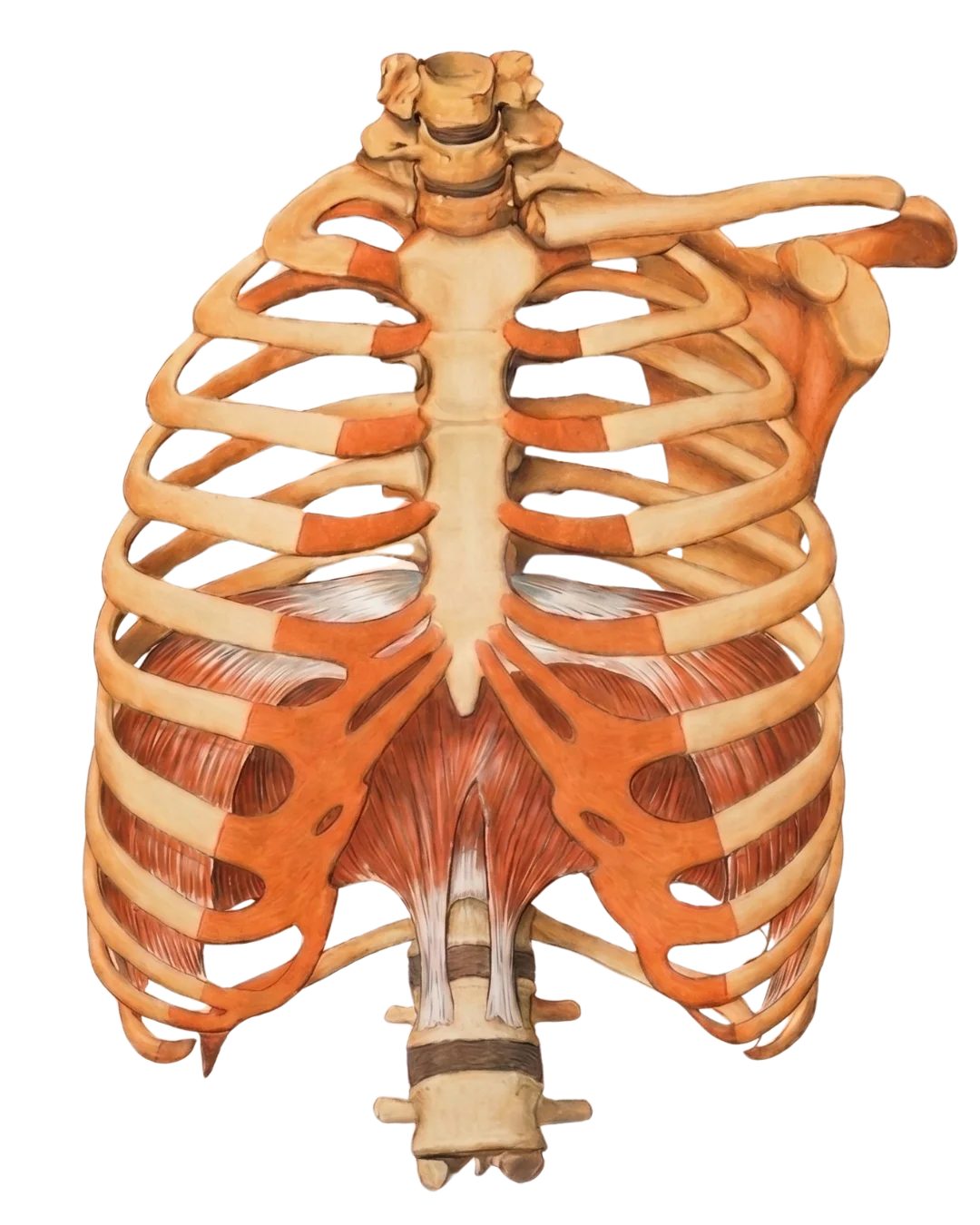
Work from the five common rib cage misalignments—side lean, back lean, twist, held compression, held inflation—instead of treating a vague sense of stuckness.
Trace the complaint back.
Connect a neck, shoulder, or low back presentation to the structure on the rib cage that’s actually driving it.
Treat the area with confidence.
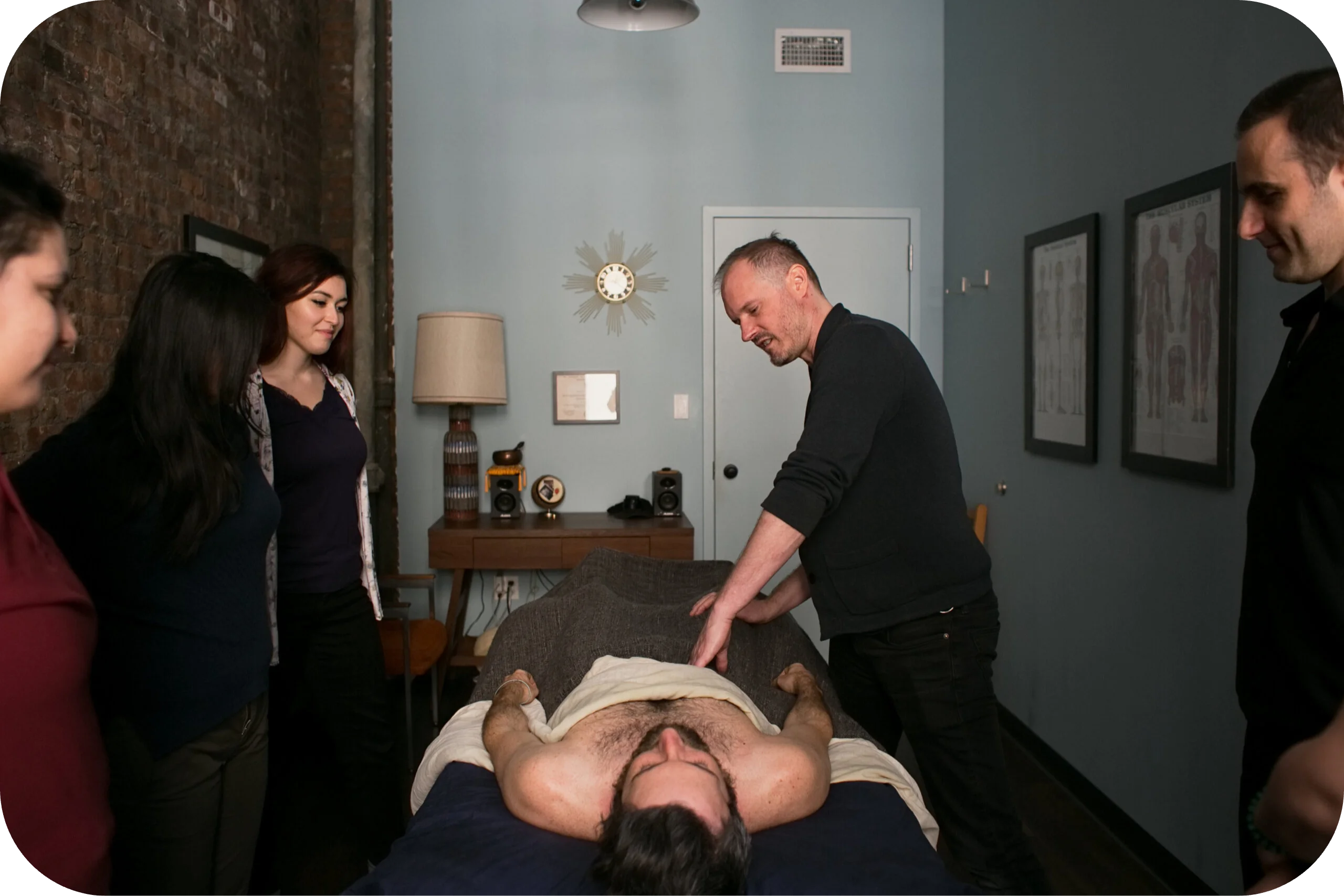
Watch a full guest-client session and see hand placement, positioning, and pacing on tissue most therapists avoid.
A clear plan—so you know exactly what you’re getting
Two sessions of lecture and live demonstration
Lecture Session
Part 1 — The core argument (~10 min)
Why the structures you’re trying to release all attach to the rib cage, and why breathing mechanics decide whether they relax or stay guarded.
Part 2 — Breathing mechanics (~20 min)
Postural work vs. respiratory work, what relaxed parasympathetic breathing actually uses, how ancillary muscles hijack the breath, and why the pattern reinforces itself.
Part 3 — Anatomy review (~30 min)
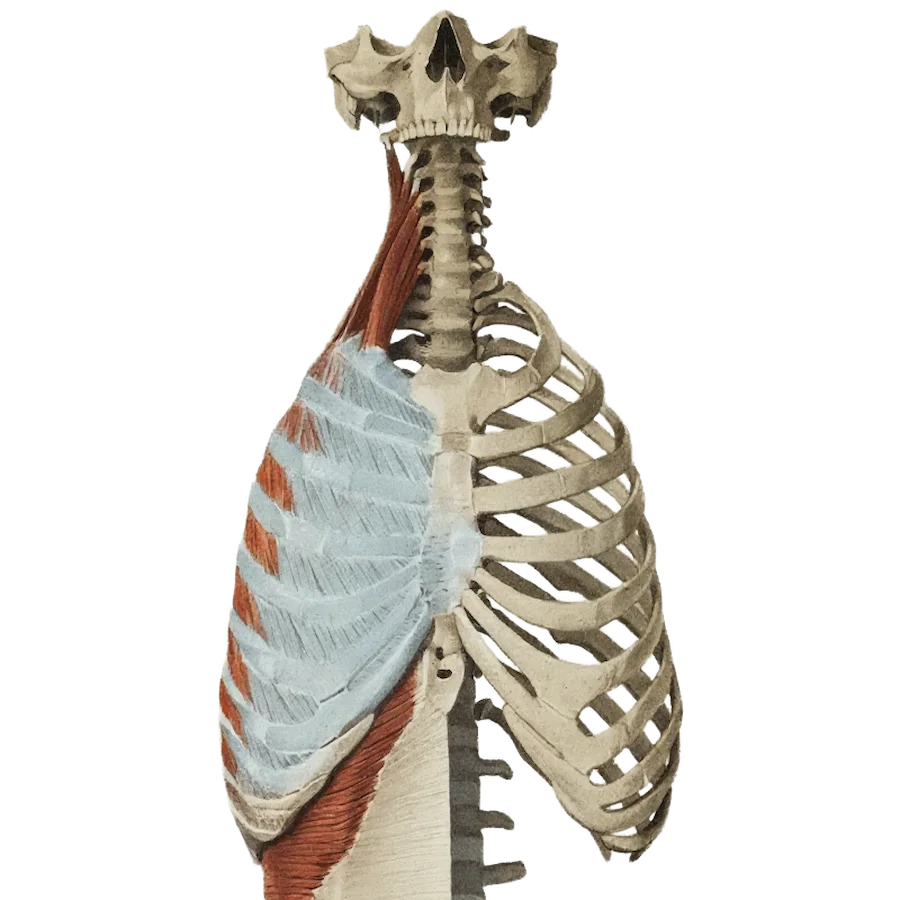
Bones and cartilage from manubrium to floating ribs. The surface layer—lats, obliques, rectus, pec major, serratus anterior. The deeper layer—QL, serratus posterior, pec minor, iliocostalis, intercostals, subclavius, scalenes, SCM. Then the bridge to assessment: the five misalignment patterns.
Part 4 — Live Q&A (~30 min)
Open floor, built specifically to surface the questions therapists hesitate to ask about working this area.
Live Demonstration Session
(90 min)
A full treatment session with a guest client, with running commentary on what’s being assessed and why, and Q&A throughout.
Ready to join?
Enroll now - $59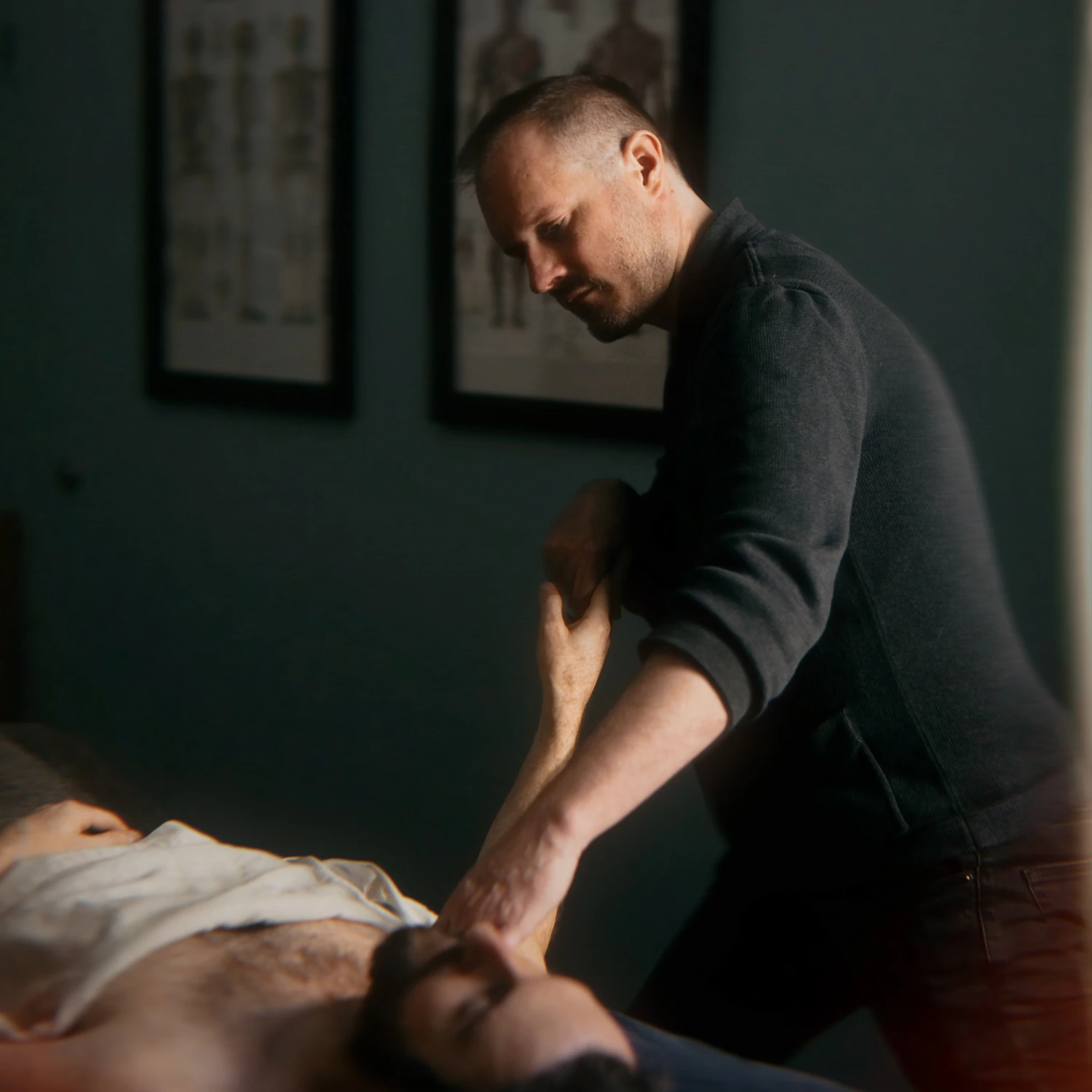
Your Instructor
Learn from a clinician who treats cases every week
David Weintraub, LMT teaches the same clinical framework used daily at Bodyworks DW—where clients are treated as part of integrated, multi-session care plans alongside physical therapy and medical providers.
This isn’t theory. It’s how treatment decisions are made in real sessions with real clients.
ENROLLMENT
Enroll in this course
Two live 90-minute sessions with David Weintraub, LMT. Learn why the structures you keep trying to release are the ones attached to a rib cage that isn’t moving — and what to do about it.
enrollment
- Two live 90-minute sessions online
- 5 CE/CPD hours through Niel Asher Education
- $59.95
$59
- Two live sessions with David Weintraub, LMT
- Live Q&A in both sessions
- A full guest-client treatment demonstration in session two
- Lifetime access to the recordings
- Workbook and supporting materials
- Certificate of completion

Student Reviews
What Therapists say
Frequently Asked Questions
Have more questions? Get in touch
Who is this course for?
Licensed massage and manual therapists. No prior myofascial release training required, but you’ll get the most out of it with a working foundation in anatomy and assessment.
Is it hands-on?
This is a webinar, but you’ll observe a full real-world treatment and clinical breakdown that translates directly to your hands-on work.
Is this a Bodyworks DW course?
The content and the instructor are ours; the webinar is hosted, run, and accredited by Niel Asher Education. You’ll register and attend on their platform.
Is it hands-on?
Not in the sense of partner practice. Session one is lecture and anatomy; session two is a live guest-client demonstration. For supervised hands-on practice, see the in-person Rib Cage CEU course.
What if I can't attend live?
Both sessions are recorded and you receive lifetime access. You can complete the course on your own schedule and still earn the credit.
How do I receive CE documentation?
Niel Asher Education issues the certificate for 5 CE/CPD hours. CE recognition varies by profession and jurisdiction—confirm with your licensing board before enrolling if the credit is your reason for registering.
What’s the cancellation/transfer policy?
Registration is handled by Niel Asher Education and their terms apply.
Related Courses
Continue the series
In-person classroom
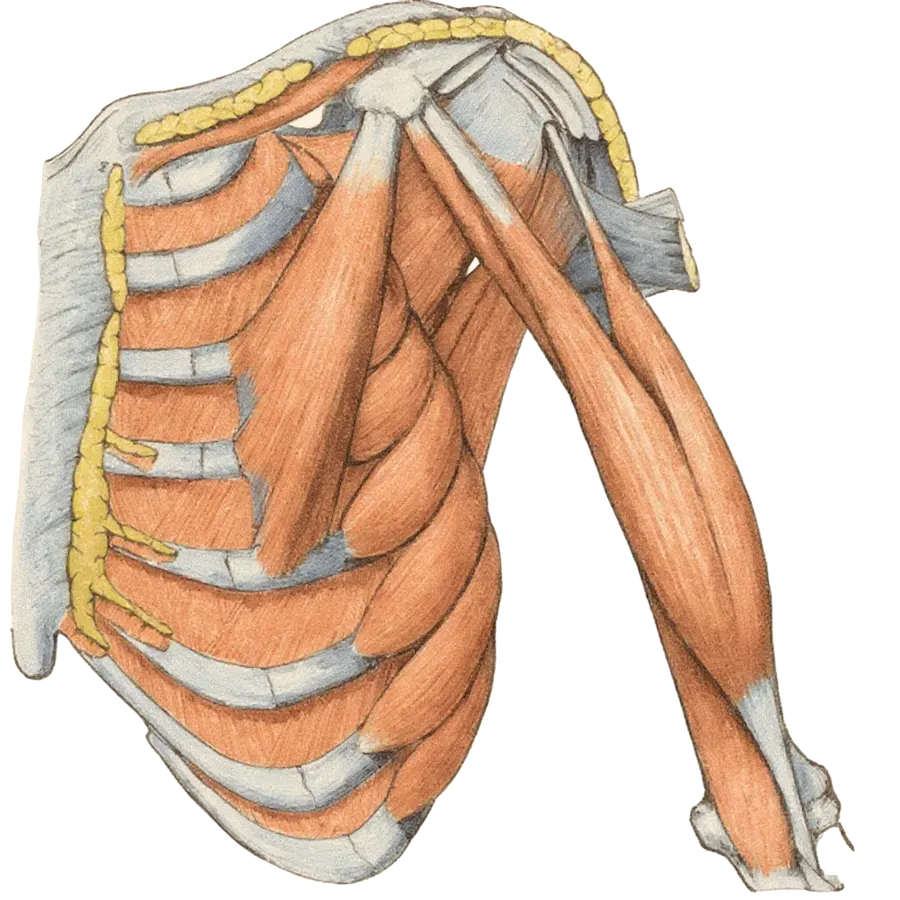
Myofascial Release for the Ribcage
$480
October 20-21, 2027,
11:00 am – 6:00 pm
David Weintraub, LMT
12 NYS + 12 NCBTMB Massage Therapy CEUs
In-person classroom
Myofascial Release for the Shoulders
$480
Sept 15-16, 2027
11:00 am – 6:00 pm
David Weintraub, LMT
12 NYS + 12 NCBTMB Massage Therapy CEUs
In-person classroom
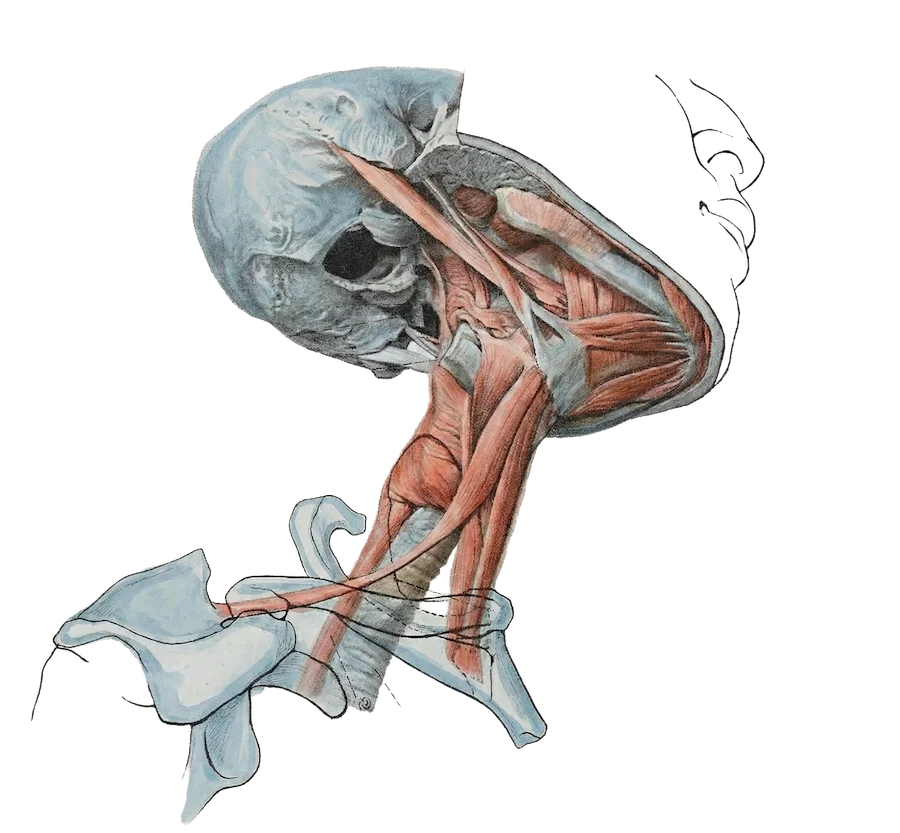
Myofascial Release for the Head, Neck, & Jaw
$480
November 4-5, 2026
11:00 am – 6:00 pm
David Weintraub, LMT
12 NYS + 12 NCBTMB Massage Therapy CEUs
Resources
Explore our Relief Library

Videos
Psoas Relaxation Variations, Back & Hip Releases for our NYC Massage Therapy Clients
David Weintraub
- Nov 27, 2025