
Conditions We Treat
Massage for Pelvic Floor Dysfunction in NYC
Pelvic pain, weakness, or tension can affect anyone—women, men, and nonbinary clients alike. Our licensed medical massage therapists specialize in treating the muscular and fascial imbalances that contribute to pelvic floor dysfunction, collaborating with your care team for safe and effective results.
- Available in FiDi & Midtown West – open 7 days a week
Causes
What’s Going On With Pelvic Floor Dysfunction?
- Pelvic floor dysfunction (PFD) affects people of all genders: about 30–40% of women and up to 16% of men experience symptoms (BMC Public Health, 2023; Mayo Clinic, 2023).
- The pelvic floor is a group of deep muscles and connective tissues supporting the bladder, bowel, and reproductive organs. When they become too tight, weak, or poorly coordinated, symptoms like pain, incontinence, or instability can appear.
- Common contributors include childbirth, pelvic or abdominal surgery, chronic stress, constipation, heavy lifting, and long-term compensations from hip or low-back injuries.
- PFD often overlaps with hip pain, low-back pain, or sciatica because the pelvis is the body’s central movement hub.
At Bodyworks DW, we recognize that pelvic floor issues can have structural, neurological, and emotional components. We start with assessment and communication to determine if medical massage is appropriate. While not a replacement for pelvic floor physical therapy, it can be a strong complement when muscular tension or movement restriction is involved.
Related conditions: See also our Lower Back Pain, Hip Pain, and Diastasis Recti pages.
How we treat
How Bodyworks DW Treats Pelvic Floor Dysfunction
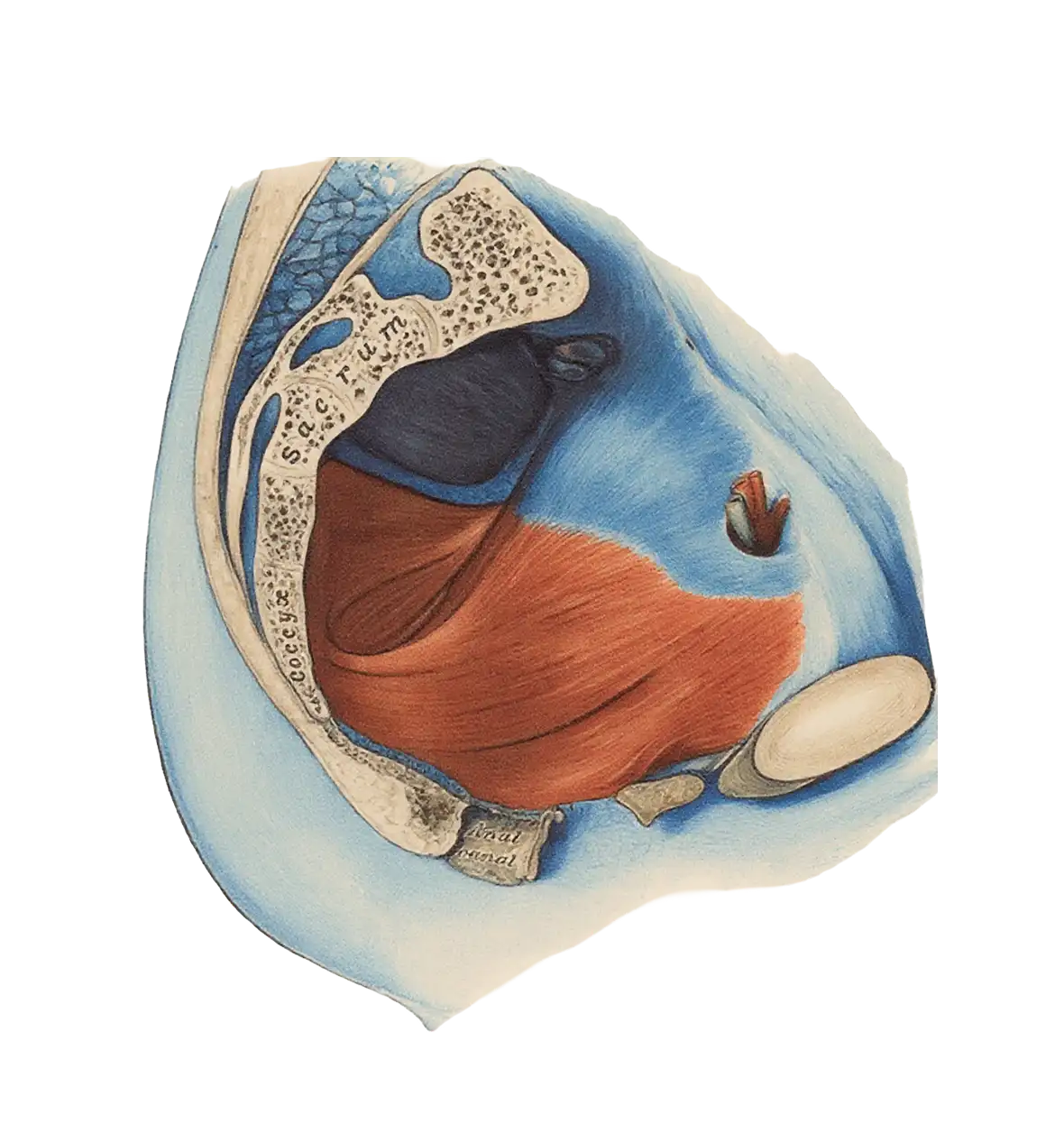
The pelvic floor connects the hips, low back, and abdomen—imbalances in any of these areas can affect stability, circulation, and comfort. Anatomy Plate (Gray’s, 1918)
Whole-Body Evaluation
We begin with an assessment of posture, hip and low back movement, and breathing patterns to identify how these factors are influencing the pelvic floor.
Targeted Deep Tissue & Myofascial Work for Core Connection
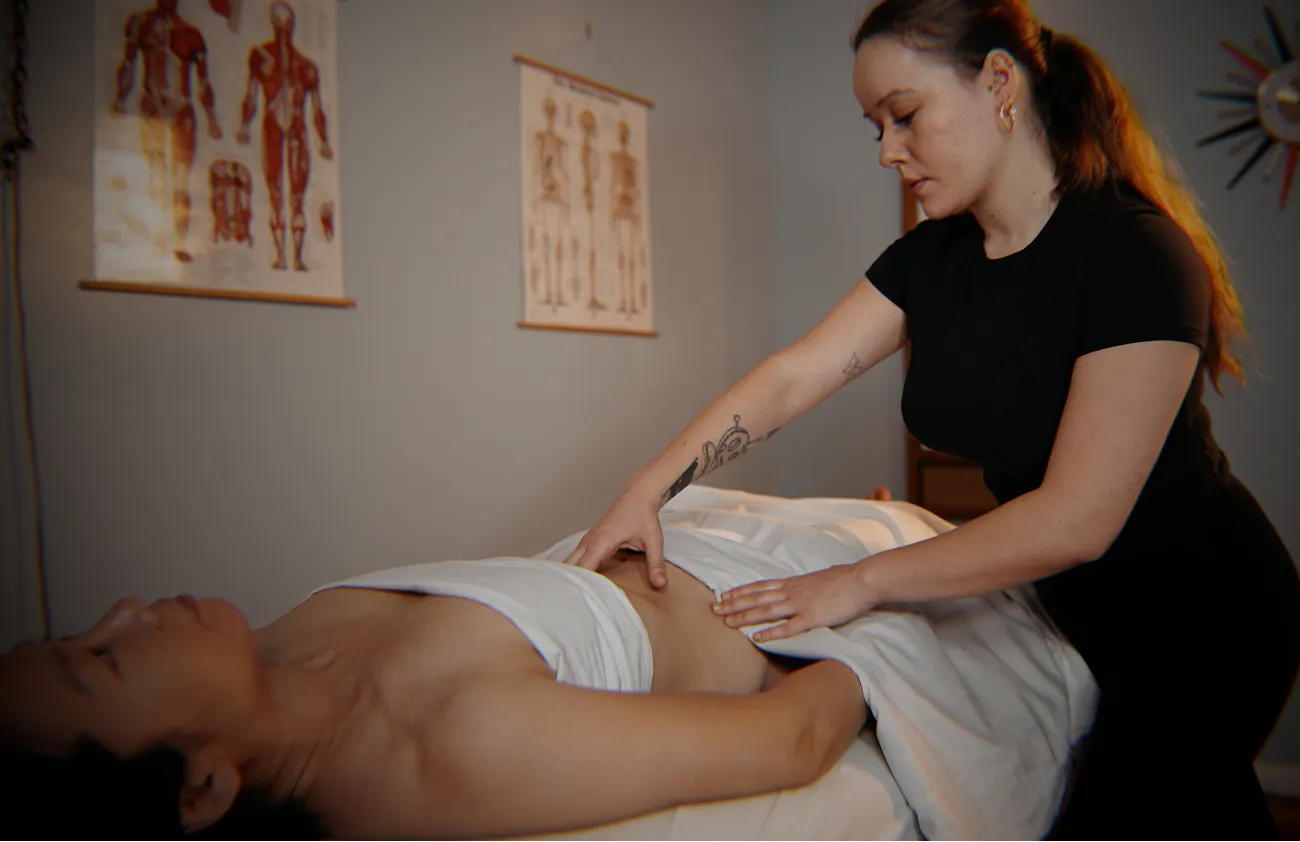
Treatment focuses on releasing tension and restoring balance in related areas—hips, glutes, adductors, abdomen, and lower back—to relieve strain on the pelvic floor. We also work directly on the external pelvic floor muscles through the drape to restore balance and coordination with surrounding tissues.
Safe & Appropriate Pressure
All techniques are applied with clinically appropriate pressure and tailored to your comfort level and presentation. We don’t perform internal pelvic floor techniques, as these are rarely needed for the conditions we treat. If internal work appears beneficial, we’ll refer you to a trusted pelvic floor PT.
Progressive Plan That Builds on Each Session
As symptoms improve, we expand the work to include the feet, knees, ribcage, shoulders, and neck—helping you restore coordination and reduce recurrence. We may also collaborate with your PT or healthcare provider for continuity of care.
What to Expect
A Progressive Plan
Session 1
Reduce tension in the hips, low back, and adductors to ease strain on the pelvic floor and restore balance with surrounding tissues for noticeable relief.
Sessions 2–4
Reintegrate breathing and pelvic mobility patterns to reconnect the diaphragm and pelvic floor for improved coordination.
Sessions 5–8+
Build long-term strength, awareness, and balance throughout the kinetic chain—from the legs through the shoulders and spine—to maintain pelvic and postural stability.
Ready to start feeling better?
Book a session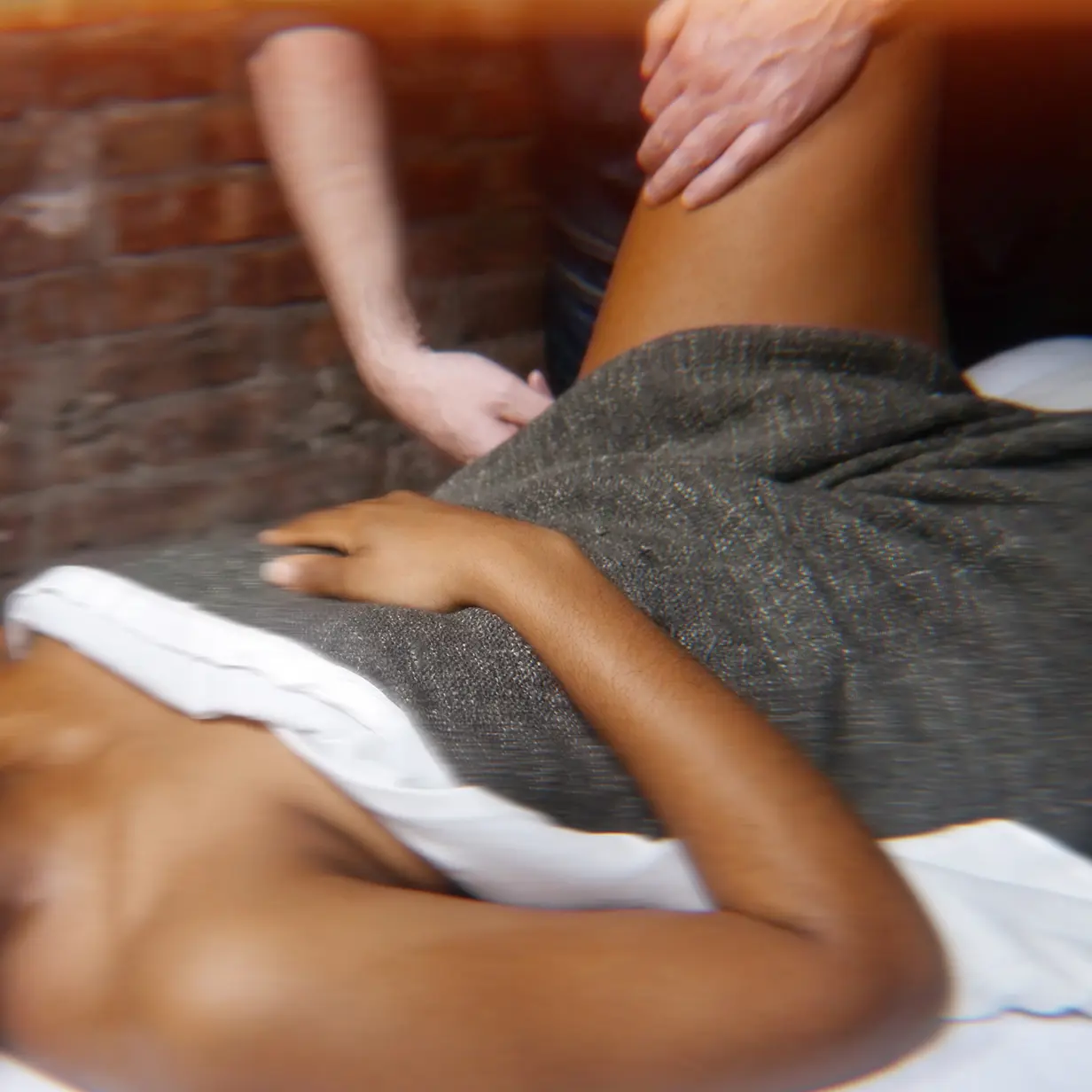
Care
Home Care That Helps Between Sessions
We’ll provide simple at-home strategies—like supported breathing, hip mobility drills, and pelvic tilts—to help reduce tension and maintain progress. When appropriate, we’ll refer you to experienced pelvic floor physical therapists or movement specialists to complement your care.

Testimonial
What Our Clients Say
Pricing & wellness wallets
Book now. Pay after.
Save up to 20%.
Pay after your session—no prepay.
New here? Select “New Client Massage” to get $25 off your first visit.
Add a Wellness Wallet before your first session or within 7 days after to get up to 20% bonus credit.
START HERE
Book your session
No prepay—card on file to hold; pay after your session. New here? Choose “New Client Massage” when booking to get $25 off your first visit with select therapists.
Senior
Lead
Owner
60 minutes
$160
/ with Senior Therapist
90 minutes
$230
/ with Senior Therapist
First wallet bonus
Save with Wellness Wallets
First time buying a Wellness Wallet? You qualify for our best bonus. New to Bodyworks? Buy before your first session to use it on that visit.
$800
Get $120 bonus
Covers ~3–5 sessions
15% bonus credit
$1400
Get $250 bonus
Covers ~5–10 sessions
17.5% bonus credit
$3000
Get $600 bonus
Covers ~12–22 sessions (Annual plan)
20% bonus credit

Frequently Asked Questions
Have more questions? Get in touch
Is medical massage appropriate for pelvic floor dysfunction?
It can be, depending on the underlying cause. While not a substitute for pelvic floor physical therapy or medical care, massage can help when muscular tension, postural imbalance, or compensation patterns contribute to symptoms.
Do I need a doctor’s note for pelvic floor dysfunction massage?
No. Under NYS Title VIII licensure (see NY Board of Education FAQ #28), massage therapists can assess whether your symptoms are safe for massage. We refer out only when necessary.
What makes Bodyworks DW’s approach different?
We view the pelvic floor as part of the body’s entire support system—assessing how breathing, posture, and movement affect pelvic stability. Our therapists coordinate with your existing care team when appropriate to ensure an integrated approach.
Do you perform internal pelvic floor work?
No. We do not perform internal pelvic floor work. In rare cases where internal treatment may be beneficial, we’ll refer you to a qualified pelvic floor PT for that portion of care.
How many sessions will I need?
Most clients notice improvement in comfort and mobility within 2–4 sessions, with continued strength and coordination gains over 6–8 sessions.
Are there precautions for pelvic floor dysfunction massage?
Yes — recent injuries, acute inflammation, fever/illness, or medications affecting tissue integrity require caution.
Full list: NYS Massage Therapy Precautions