
Conditions We Treat
Massage for Osteoarthritis Relief in NYC
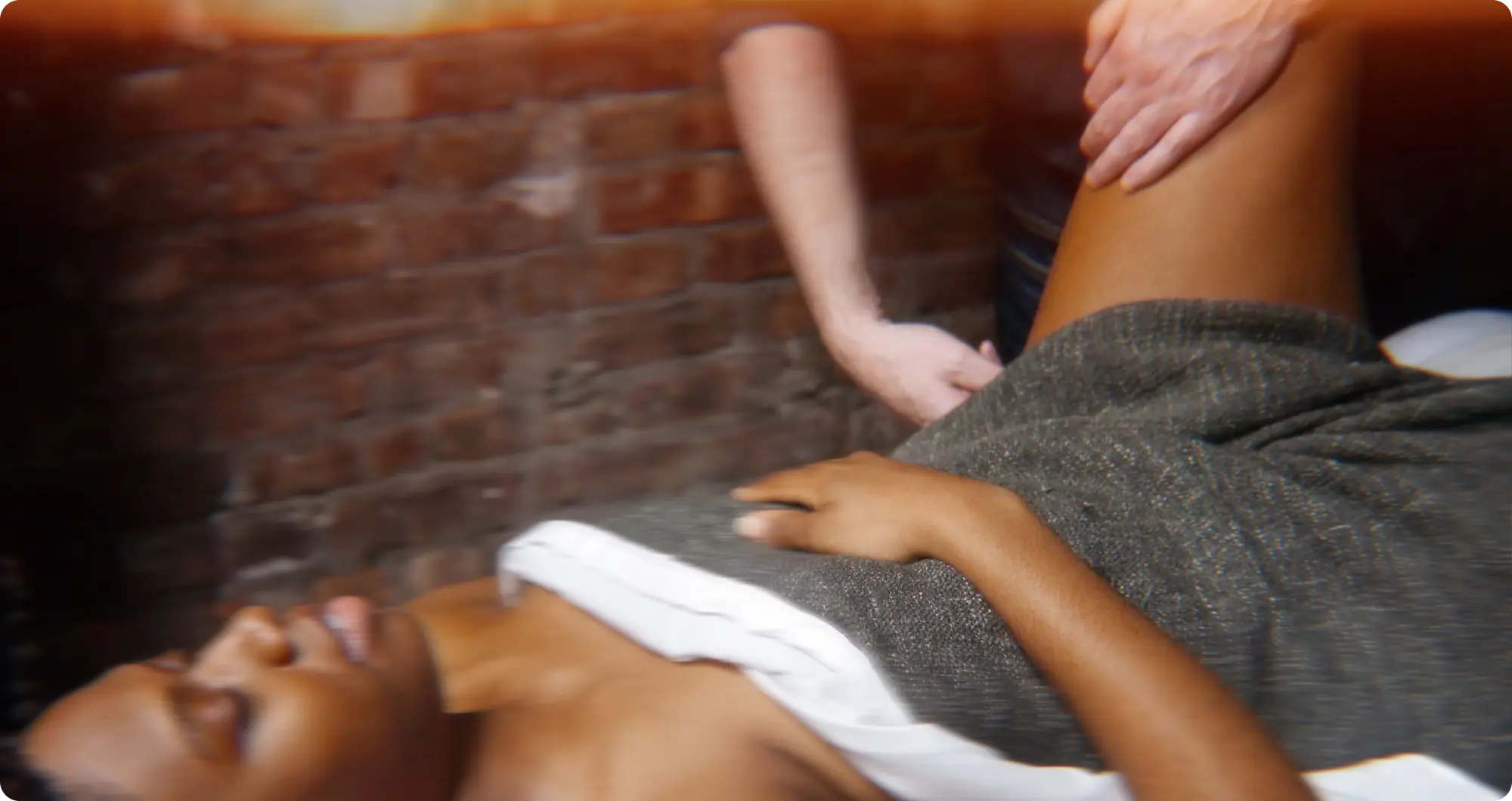
Osteoarthritis doesn’t just affect joints — it changes how your entire body moves. Stiffness, aching, reduced range of motion, and compensatory strain often develop long before pain shows up on imaging. Our licensed medical massage therapists help reduce joint stress, improve circulation, and restore whole‑body movement patterns so you can stay active and comfortable longer.
- Available in FiDi & Midtown West – open 7 days a week
Causes
What’s Going On With Osteoarthritis?
- Osteoarthritis (OA) is the most common form of arthritis, affecting over 30 million adults in the U.S. and increasing steadily with age. (StatPearls – NIH 2023)
- OA involves gradual cartilage thinning, joint space narrowing, and changes in surrounding bone — but pain is often driven more by soft‑tissue tension and movement restriction than by cartilage loss alone.
- Muscles, fascia, ligaments, and joint capsules around arthritic joints often tighten protectively, reducing circulation and further limiting motion.
- As joints lose mobility, the body compensates elsewhere — for example:
- Hip OA can increase stress on the low back and knees
- Knee OA often shifts load into the ankles and feet
- Shoulder or hand OA commonly affects neck and upper‑back mechanics
- Many people notice stiffness after rest, reduced confidence with movement, and a gradual loss of function rather than sharp pain.
For example, clients diagnosed with knee osteoarthritis are often told—or assume—that worsening symptoms are inevitable. In reality, targeted soft‑tissue work frequently produces noticeable symptom relief. At Bodyworks DW, we treat osteoarthritis as a movement and load‑management problem. Improving how forces move through the body often reduces pain and slows functional decline.
For more depth, check out David’s cover article “Massage for Osteoarthritis: Help Client Manage Symptoms” in Massage Magazine.
Related conditions:
See also our Knee Pain, Hip Pain, Hand & Wrist Pain, and Neck Pain pages.
How we treat
How Bodyworks DW Treats Osteoarthritis
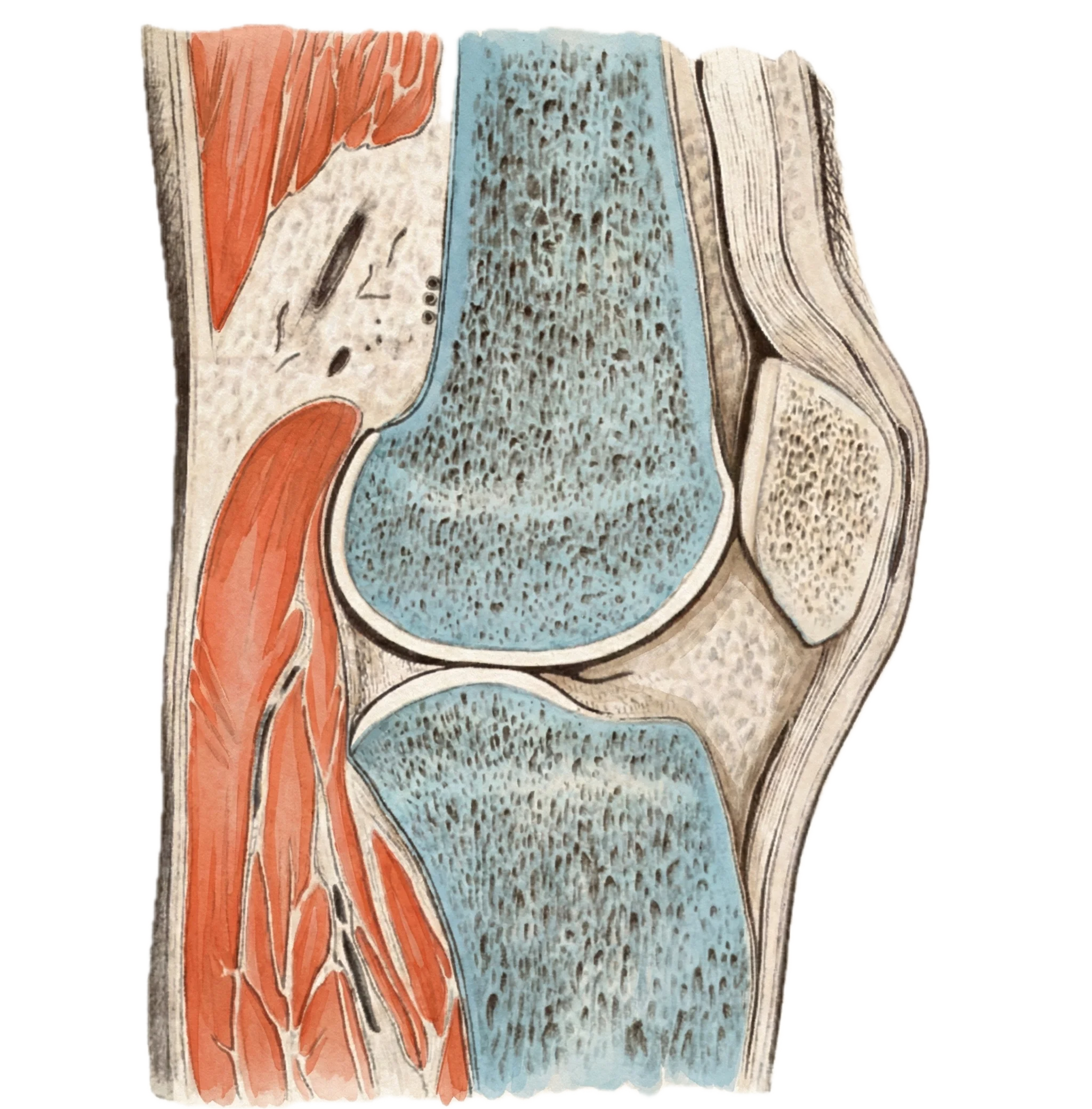
Osteoarthritis occurs when the smooth cartilage that cushions the ends of the bones begins to wear away. In this knee cross-section, the white surfaces show healthy cartilage. When that cushioning thins, the joint is forced to absorb more friction and pressure — often leading to pain, stiffness, and reduced mobility. Anatomy Plate (Sobotta 1909)
Whole‑Body Evaluation
We assess joint mobility, soft‑tissue tone, gait and arm‑swing patterns, rib mechanics, and compensations above and below the affected joint.
Targeted Myofascial & Deep Tissue Work for Immediate Relief
Sessions begin by creating slack in surrounding regions — hips, ribs, spine, or limbs — before addressing the local joint area. This sequencing reduces guarding and makes joint‑adjacent work far more effective.
Improving Load Sharing & Joint Decompression
By restoring mobility and balance across multiple joints, we help distribute forces more evenly so no single joint is forced to absorb excessive load. When appropriate, traction stretching can help decompress the affected joint helping to reduce wear and tear.
Circulation & Tissue Health
Manual therapy improves local circulation, joint nutrition, and tissue glide, which often reduces stiffness and pain even when structural changes remain.
Progressive Plan That Builds on Each Session
As movement improves, we integrate whole‑body patterns — feet, knees, hips, ribs, shoulders, and spine — to support long‑term joint function.
What to Expect
What to Expect — A Progressive Plan
Session 1
Reduce surrounding muscle tension and improve joint comfort. Expect easier movement and less stiffness, especially after sitting or sleeping.
Sessions 2–4
Expand mobility through related joints and long fascial chains to improve load distribution and confidence with movement.
Sessions 5–8+
Reinforce whole‑body alignment and movement strategies to help maintain joint health and slow progression.
Ready to start feeling better?
Book a session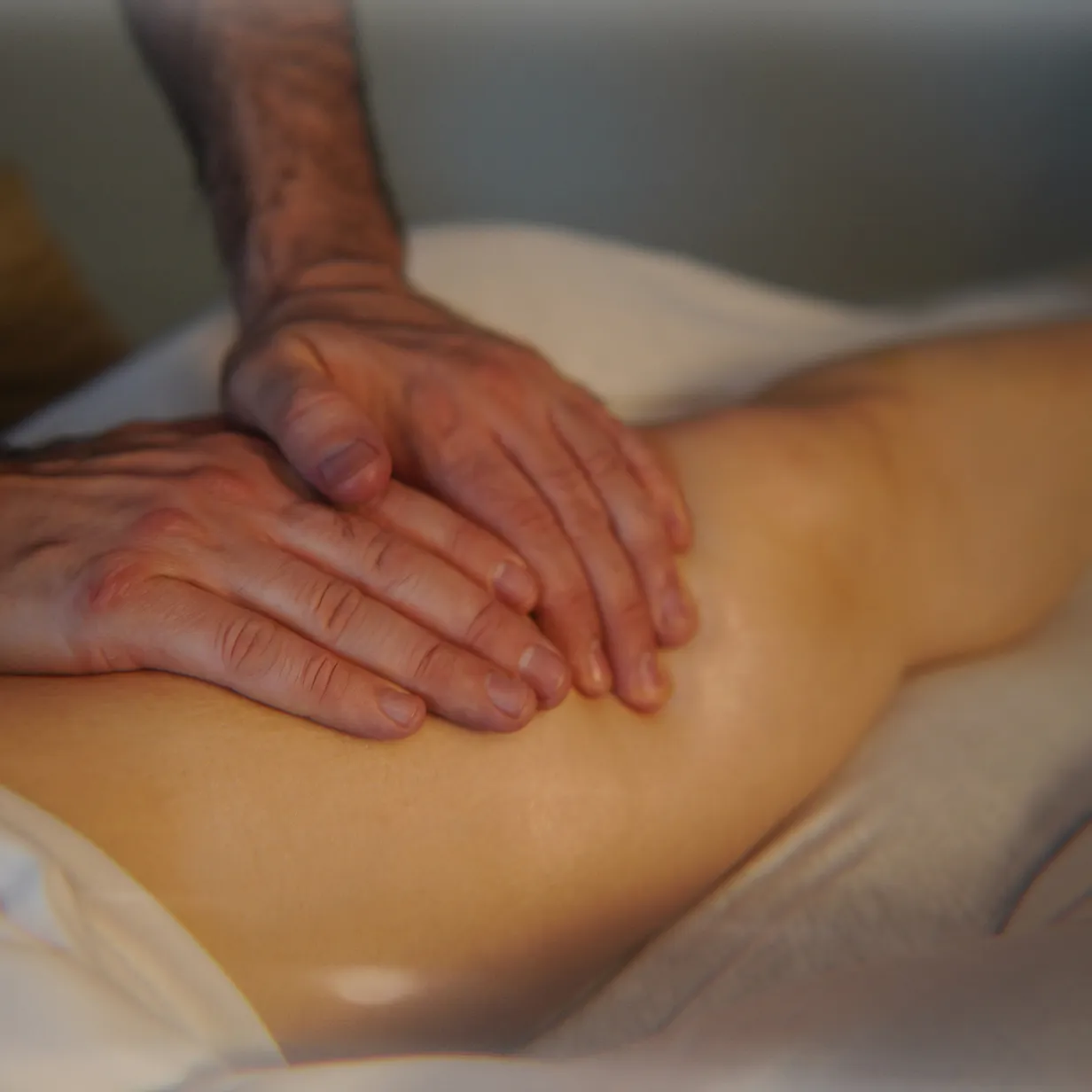
Care
Home Care That Helps Between Sessions
We focus on simple, sustainable strategies rather than long exercise lists:
- Gentle joint‑range and mobility resets
- Soft‑tissue self‑release techniques
- Breathing and rib‑mobility drills to reduce global tension
- Movement awareness and pacing strategies
- Coordination with PT or exercise programs when appropriate

Testimonial
What Our Clients Say
Pricing & wellness wallets
Book now. Pay after.
Save up to 20%.
Pay after your session—no prepay.
New here? Select “New Client Massage” to get $25 off your first visit.
Add a Wellness Wallet before your first session or within 7 days after to get up to 20% bonus credit.
START HERE
Book your session
No prepay—card on file to hold; pay after your session. New here? Choose “New Client Massage” when booking to get $25 off your first visit with select therapists.
Senior
Lead
Owner
60 minutes
$160
/ with Senior Therapist
90 minutes
$230
/ with Senior Therapist
First wallet bonus
Save with Wellness Wallets
First time buying a Wellness Wallet? You qualify for our best bonus. New to Bodyworks? Buy before your first session to use it on that visit.
$800
Get $120 bonus
Covers ~3–5 sessions
15% bonus credit
$1400
Get $250 bonus
Covers ~5–10 sessions
17.5% bonus credit
$3000
Get $600 bonus
Covers ~12–22 sessions (Annual plan)
20% bonus credit

Frequently Asked Questions
Have more questions? Get in touch
Can massage cure osteoarthritis?
No — osteoarthritis is a structural condition. However, massage can significantly reduce pain, stiffness, and functional limitation by improving movement and reducing soft‑tissue overload.
Is massage safe for arthritic joints?
Yes. Our therapists adjust pressure and techniques based on joint condition, inflammation levels, and overall health.
Do I need a doctor’s note for osteoarthritis massage?
No. Under NYS Title VIII licensure (see NY Board of Education FAQ #28), massage therapists can assess whether your symptoms are safe for massage. We refer out only when necessary.
What makes Bodyworks DW’s approach different?
We treat osteoarthritis as a whole‑body movement issue — restoring balance above and below affected joints so results last.
How many sessions will I need?
Many clients notice improvement within 1–3 sessions, with longer‑term benefits developing over 5–8+ sessions.
Are there precautions for massage with arthritis?
Yes. Acute inflammation, joint instability, or certain medical conditions may require modified pressure or referral.
Full list: https://www.op.nysed.gov/professions/massage-therapy/precautions-massagebodywork-therapy