
Conditions We Treat
Massage for Chronic Stress & Burnout in NYC
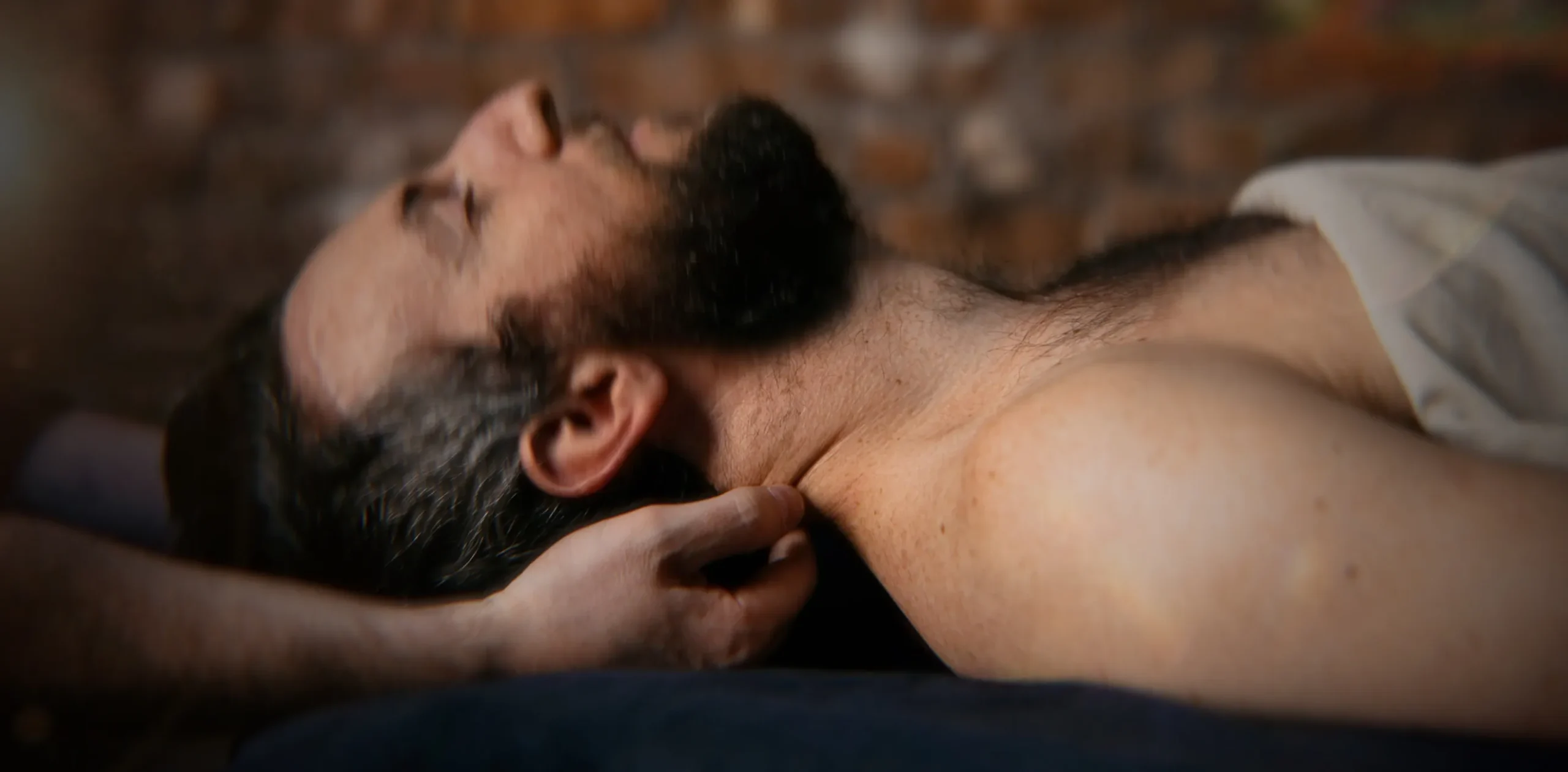
Chronic stress and burnout don’t just affect your mind—they reshape your whole body. Tight shoulders, shallow breathing, jaw tension, fatigue, restlessness, and the inability to “shut off” are all signs that your nervous system is stuck in overdrive. Our licensed medical massage therapists help unwind these patterns, restore healthy nervous system balance, and teach your body how to relax again.
- Available in FiDi & Midtown West – open 7 days a week
Causes
What’s Going On With Chronic Stress & Burnout?
- Chronic fatigue–type stress patterns affect 1–3% of adults, with higher rates in those experiencing long-term stress or burnout (StatPearls–NIH 2023).
- Stress is both emotional and physiological, governed by the autonomic nervous system (ANS).
- With prolonged stress, the body can become stuck in sympathetic dominance (fight/flight), leading to tight shoulders and neck, chest restriction, jaw clenching, shallow breathing, racing thoughts, poor sleep, fatigue, and digestive disruption.
- Repeated activation can contribute to patterns associated with chronic fatigue syndrome, adrenal overuse, and cortisol-driven overstimulation.
- Burnout is now affecting a majority of U.S. workers—recent reporting shows roughly two-thirds of American employees experiencing burnout, with job insecurity cited as a major contributor to elevated stress levels. (BBI 2026)
At Bodyworks DW, we help retrain the body to shift more easily between stress and relaxation by working with breath mechanics, the diaphragm, rib mobility, and long-standing tension in the neck, shoulders, jaw, arms, and hips.
The diaphragm is one of the few muscles influenced by both your voluntary movement system and your automatic stress‑response system. When it moves well, the whole body can shift out of fight‑or‑flight more easily.
Related conditions: See also our TMJ Pain, Headaches & Migraines, and Neck Pain pages.
How we treat
How Bodyworks DW Treats Chronic Stress & Burnout
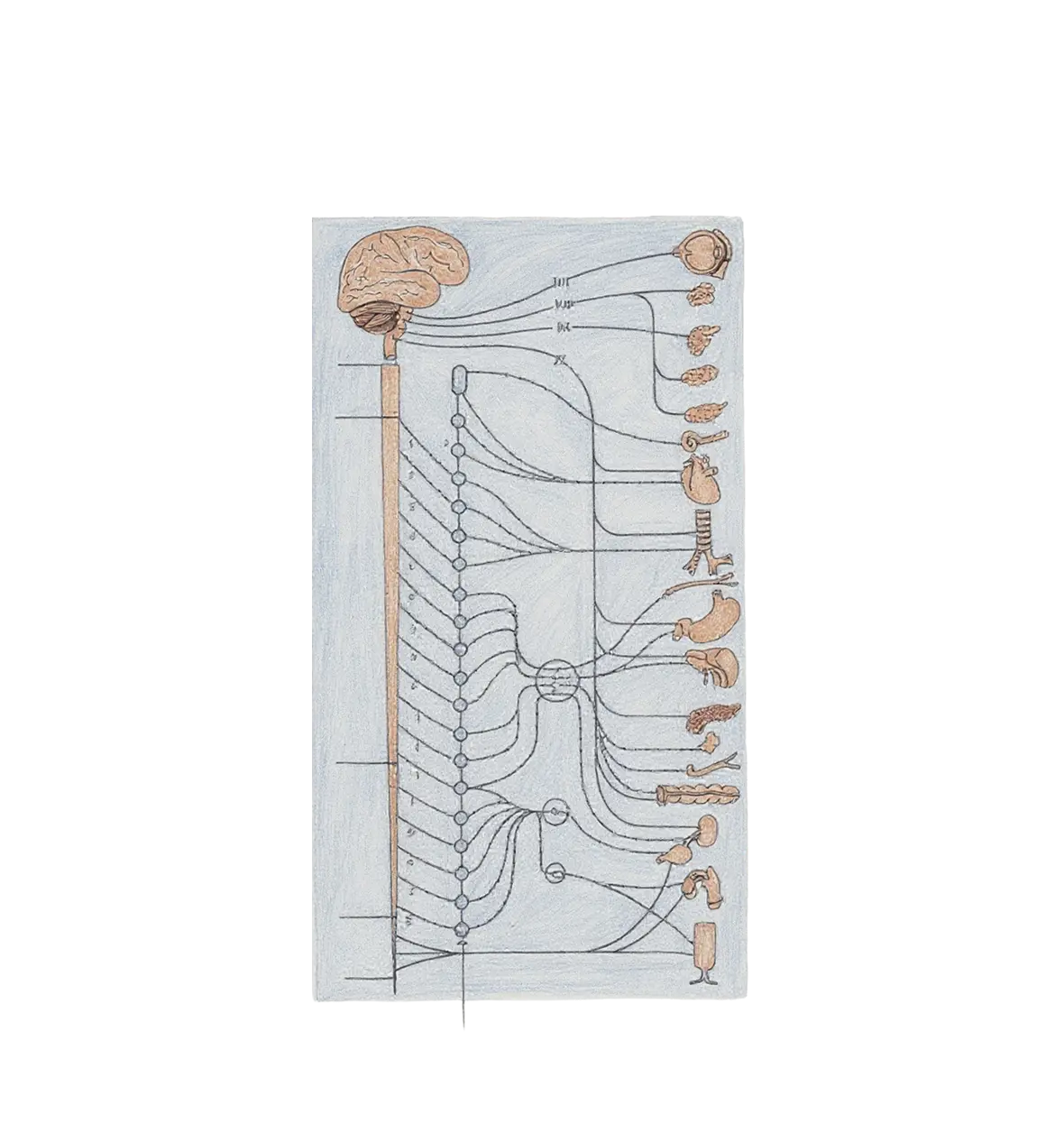
Chronic stress shifts the autonomic nervous system toward constant fight‑or‑flight triggering the sympathetic nervous system, which affects all of these organs. Restoring ribcage, diaphragm, and neck mobility helps the body re-access the parasympathetic nervous system, ie rest‑and‑digest. Diagram (US War Dept, 1944)
Whole-Body Evaluation
We assess breathing mechanics, diaphragm movement, rib mobility, neck and shoulder tension, and nervous system reactivity.
Targeted Myofascial & Deep Tissue Work for Relief
We release key stress‑holding areas: diaphragm, ribcage, pecs, scalenes, upper traps, SCM, jaw, and forearms. This helps reduce the physiological load on the nervous system.
Breathwork Integration
We incorporate slow, non‑forced breathing resets and rib expansion to help shift your ANS away from fight‑or‑flight and toward rest‑and‑digest.
Progressive Plan That Builds on Each Session
As the nervous system begins to soften, we integrate hips, ribs, spine, and shoulder mechanics to support long‑term resilience.
What to Expect
A Progressive Plan
Session 1
Release neck, shoulder, chest, and diaphragm tension; improve breath mobility; support immediate down‑regulation of the nervous system.
Sessions 2–4
Combine deeper rib and diaphragm mobility with neck/jaw/shoulder decompression to reduce sympathetic overdrive.
Sessions 5–8+
Reinforce whole-body alignment—ribs, hips, spine, shoulders, neck, and jaw—to help maintain calmer baseline functioning and reduce relapse into stress cycles.
Ready to start feeling better?
Book a session
Care
Home Care That Helps Between Sessions
We’ll teach simple, effective practices such as:
- Non‑forced breathing resets
- Diaphragm and rib expansion drills
- Gentle vagus‑nerve–informed relaxation techniques
- Posture and micro‑break strategies to reduce daily stress load

Testimonial
What Our Clients Say
Pricing & wellness wallets
Book now. Pay after.
Save up to 20%.
Pay after your session—no prepay.
New here? Select “New Client Massage” to get $25 off your first visit.
Add a Wellness Wallet before your first session or within 7 days after to get up to 20% bonus credit.
START HERE
Book your session
No prepay—card on file to hold; pay after your session. New here? Choose “New Client Massage” when booking to get $25 off your first visit with select therapists.
Senior
Lead
Owner
60 minutes
$160
/ with Senior Therapist
90 minutes
$230
/ with Senior Therapist
First wallet bonus
Save with Wellness Wallets
First time buying a Wellness Wallet? You qualify for our best bonus. New to Bodyworks? Buy before your first session to use it on that visit.
$800
Get $120 bonus
Covers ~3–5 sessions
15% bonus credit
$1400
Get $250 bonus
Covers ~5–10 sessions
17.5% bonus credit
$3000
Get $600 bonus
Covers ~12–22 sessions (Annual plan)
20% bonus credit

Frequently Asked Questions
Have more questions? Get in touch
Is this the same as a relaxation massage?
No. While the work is soothing, we focus on targeted areas that hold chronic stress—especially the diaphragm, ribcage, neck, shoulders, and jaw—and integrate breathwork to help reset the nervous system.
Do I need a diagnosis like chronic fatigue syndrome to benefit from this work?
Not at all. Anyone experiencing prolonged stress, burnout, sleep issues, or difficulty relaxing can benefit from this approach.
Do I need imaging or a doctor's release before receiving massage?
No. Under NYS Title VIII licensure (see NY Board of Education FAQ #28), massage therapists can assess whether your symptoms are safe for massage. We refer out only when necessary.
What makes Bodyworks DW’s approach different?
We combine medical massage with breathwork, ribcage mechanics, and nervous system education—helping you not only feel better in the moment, but also build long‑term resilience.
How many sessions will I need?
Many clients notice improvement in 1–3 sessions, with deeper recovery over 5–8 sessions.
Are there precautions for post‑surgical knee massage?
Yes. If you experience dizziness, panic symptoms, or medical conditions affecting breath or circulation, we tailor the work accordingly.
Full list: NYS Massage Therapy Precautions