
Conditions We Treat
Massage for Carpal Tunnel Syndrome Relief in NYC
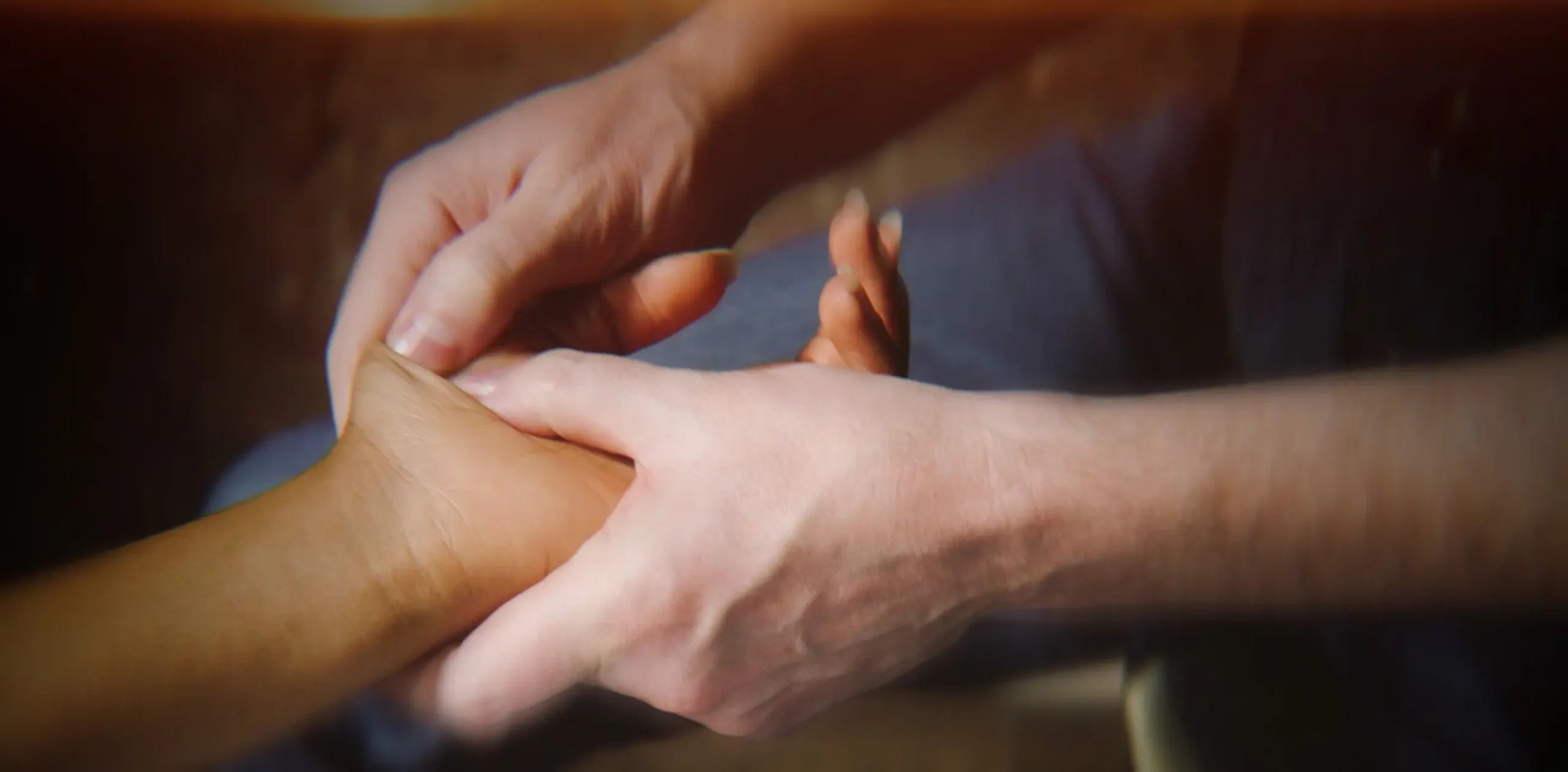
Numbness, tingling, or weakness in the hand and fingers can make work, daily tasks, and even sleep surprisingly challenging. Our licensed medical massage therapists help reduce nerve compression, restore forearm and shoulder mechanics, and rebalance whole-body patterns that contribute to carpal tunnel syndrome.
- Available in FiDi & Midtown West – open 7 days a week
Causes
What’s Going On With Carpal Tunnel Syndrome?
- Carpal tunnel syndrome (CTS) occurs when the median nerve is compressed at the wrist.
- CTS affects 3–6% of adults, making it one of the most common upper-body nerve compression disorders (NIH NINDS; StatPearls – NIH 2023).
- Repetitive typing, gripping, phone use, weight training, poor wrist alignment, or overuse-related swelling can all increase pressure on the median nerve.
- Many cases aren’t purely wrist-driven—they stem from upstream tension in the forearm, shoulder blade, ribcage, or neck (especially the scalenes and pec minor).
At Bodyworks DW, we view CTS as a whole-body tension and coordination pattern, not just a wrist problem. Restoring balance from the neck and ribs down to the forearm reduces strain on the median nerve and helps prevent symptoms from returning.
Related conditions: See also our Elbow Pain, Shoulder Pain, and Neck Pain pages.
How we treat
How Bodyworks DW Treats Carpal Tunnel Syndrome
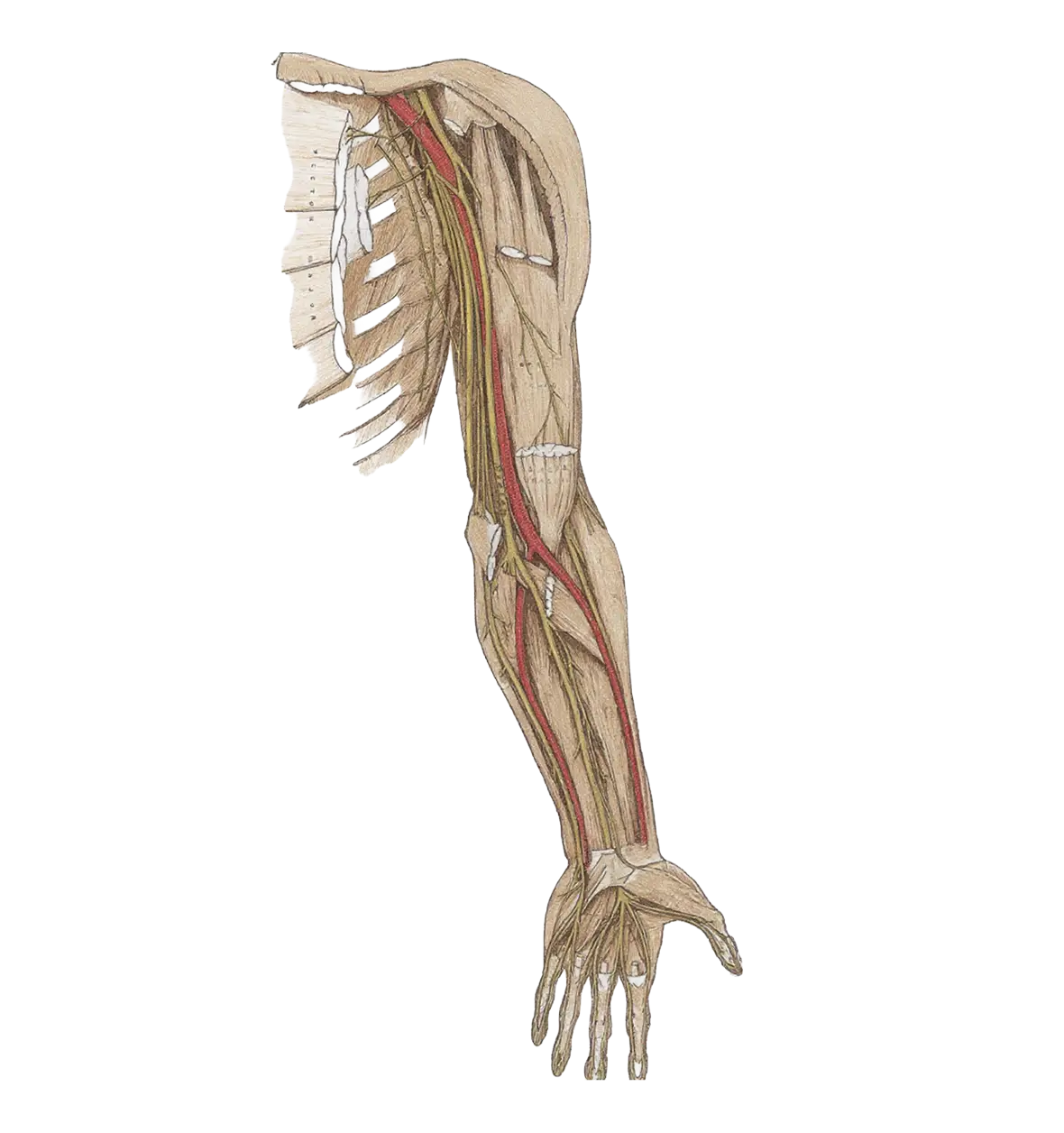
The median nerve travels from the neck through the shoulder, forearm, and wrist — restoring freedom along the whole pathway is essential for lasting relief. Anatomy Plate (Gray’s, 1918)
Whole-Body Evaluation
We assess shoulder blade motion, rib mobility, neck tension, breath mechanics, and forearm/wrist function to understand where else the nerve is being compressed in addition to the wrist.
Targeted Myofascial & Deep Tissue Work for Relief
We start by creating slack in the larger patterns—ribs, neck, diaphragm, pec minor, and scalenes—before working on the forearm flexors, wrist retinaculum, and carpal tunnel region with techniques suited to your comfort and stage of healing. Unlike many approaches that focus only on the flexors, we also release the forearm extensors and rotators, which often contribute to wrist compression.
Progressive Plan That Builds on Each Session
As symptoms improve, we integrate shoulder stabilization, rib expansion, cervical alignment, and balanced arm swing to prevent the median nerve from becoming re-irritated.
What to Expect
A Progressive Plan
Session 1
Reduce tension in the neck, ribs, pec minor, and forearm to decompress the median nerve. Expect reduced tingling and noticeably improved grip comfort.
Sessions 2–4
Integrate shoulder blade glide, rib mobility, and wrist alignment to reduce repetitive strain.
Sessions 5–8+
Reinforce whole-body alignment — feet, hips, ribs, shoulders, neck, and jaw — to maintain long-term nerve mobility and hand function.
Ready to start feeling better?
Book a session
Care
Home Care That Helps Between Sessions
We’ll teach simple, effective strategies such as:
- Forearm flexor & extensor stretches
- Median nerve glides (safe, clinically appropriate variations)
- Pec and rib expansion work
- Scapular setting and serratus activation
- Wrist posture resets for typing and daily tasks

Testimonial
What Our Clients Say
Pricing & wellness wallets
Book now. Pay after.
Save up to 20%.
Pay after your session—no prepay.
New here? Select “New Client Massage” to get $25 off your first visit.
Add a Wellness Wallet before your first session or within 7 days after to get up to 20% bonus credit.
START HERE
Book your session
No prepay—card on file to hold; pay after your session. New here? Choose “New Client Massage” when booking to get $25 off your first visit with select therapists.
Senior
Lead
Owner
60 minutes
$160
/ with Senior Therapist
90 minutes
$230
/ with Senior Therapist
First wallet bonus
Save with Wellness Wallets
First time buying a Wellness Wallet? You qualify for our best bonus. New to Bodyworks? Buy before your first session to use it on that visit.
$800
Get $120 bonus
Covers ~3–5 sessions
15% bonus credit
$1400
Get $250 bonus
Covers ~5–10 sessions
17.5% bonus credit
$3000
Get $600 bonus
Covers ~12–22 sessions (Annual plan)
20% bonus credit

Frequently Asked Questions
Have more questions? Get in touch
How do I know if I really have carpal tunnel syndrome?
Classic CTS symptoms include numbness or tingling in the thumb, index, and middle fingers—especially at night or upon waking. Symptoms in the ring and pinky fingers are typically linked to nerve compression at the neck or shoulder rather than the wrist. However, this is not always the case and because the median nerve can be compressed anywhere along its path, we always assess the entire chain.
Do I need imaging or a doctor's release before receiving massage?
No. Under NYS Title VIII licensure (see NY Board of Education FAQ #28), massage therapists can assess whether your symptoms are safe for massage. We refer out only when necessary.
What makes Bodyworks DW’s approach different?
We relieve pressure on the median nerve at every level — wrist, forearm, shoulder, ribs, and neck — helping restore clean, pain-free movement.
How many sessions will I need?
Most clients notice improvement in 2–4 sessions, with long-term changes developing through 5–8 sessions.
Are there precautions for whiplash massage?
es. Acute inflammation, recent trauma, nerve entrapment, or medications affecting tissue integrity require caution or modified pressure.
Full list: NYS Massage Therapy Precautions